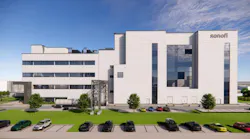
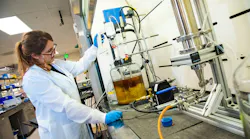
The Mississauga expansion adds 627 square feet of flexible laboratory space for process development and manufacturing of high-potency and non-high-potency APIs.
The agreement targets initial GMP exosome batches in the first half of 2027 to support NurExone’s clinical pipeline and potential commercial production.
The facility in Yangzhou, China completed a five-day preapproval inspection covering oligonucleotides, GLP-1 peptide, and small molecule manufacturing.
The acquisition adds 40,000 square feet of GMP manufacturing capacity, including two 1,000-liter single-use bioreactors and a dedicated bioconjugation suite.
The expansion adds BioReliance cell line characterization and GMP next-generation sequencing capabilities, expanding local testing services for Asia Pacific customers.
The project in Milan will add analytical development and process R&D capabilities, while upgrading production facilities to support complex small molecule development.
The companies will add a 1,400-kg annual sterile active pharmaceutical ingredient suite in India as Gland also expands its CDMO work with a global pharmaceutical company.
The pilot combined continuous-flow chemistry, real-time analytics, and AI-driven process control to produce and optimize pharmaceutical ingredients in a continuous process.
The CDMO completed three consecutive commercial-scale process performance qualification batches for a monoclonal antibody drug substance at its Hangzhou facility.
The agreement secures commercial manufacturing capacity for TSHA-102, supporting potential launch of the adeno-associated virus gene therapy for Rett syndrome.
Additional federal funding will support commercial-scale development of seven active pharmaceutical ingredients using modular continuous biomanufacturing platform.
The expansion adds small-volume, high-potency spray drying capabilities for peptide active pharmaceutical ingredients, biomolecules, and select small-molecule formulations.
The company’s cell-free DNA manufacturing platform is being used to produce personalized cancer vaccines for a Phase I study in patients with non-small cell lung cancer.
The acquisition adds U.S. and China production capacity, expanding the CDMO’s global peptide active pharmaceutical ingredient network and supply chain flexibility.
The expanded partnership adds Lilly’s injectable device to its production, creates 400 jobs, and increases U.S. capacity for diabetes and obesity medicines.
The long-term agreement announced by the CDMO reserves half of its Yokohama facility’s mammalian manufacturing capacity for five commercial biologics programs.
The teaming combines biologics manufacturing and formulation development expertise to support bispecific antibodies, fusion proteins, and other therapies.
The companies will combine antibody discovery, AI-enabled research, manufacturing, and commercialization to advance biologics for oncology and immune-mediated diseases.
The new facility at its Fengxian site will integrate biologics R&D with manufacturing to accelerate development of antibody and antibody-drug conjugate therapies.