Ori Biotech leads UK pilot of decentralized cell therapy manufacturing

Ori Biotech, a London-based cell and gene therapy manufacturing technology company, is leading a UK consortium awarded £1,055,756 (approximately $1.4 million) by Innovate UK to test a decentralized cell therapy manufacturing model. The consortium includes Adthera Bio and the Cell and Gene Therapy Catapult, with Seal providing manufacturing execution system (MES) technology.
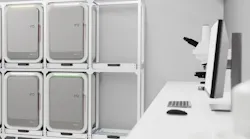
The pilot will test a hub-and-spoke network built around Ori’s automated IRO platform. The same cell therapy will be produced at three UK sites: Ori’s laboratories in London, Adthera Bio in Birmingham, and the Catapult’s Development and Analytical Testing laboratories in Stevenage. The project is scheduled to run from November 2026 through January 2028.
The consortium will assess whether the three sites can produce comparable material using consistent starting materials and predefined quality criteria. Seal’s MES and electronic batch manufacturing record system will capture manufacturing data across the network. According to the consortium, quality personnel at the Catapult will use those records to oversee production remotely.
The Catapult will serve as the central control site, with responsibility for coordinating quality oversight and batch review and release. Its Qualified Person (QP), who is legally responsible for certifying that a batch meets applicable requirements, will oversee the release process. The consortium aims to demonstrate how the network could operate under a single manufacturing license, in line with the UK’s regulatory framework for point-of-care and modular manufacturing.
Ori said the model is intended to bring production closer to patients, particularly for autologous cell therapies made from a patient’s own cells. These treatments require coordination of cell collection, manufacturing, testing, and delivery. The company aims to show that distributed production and centralized oversight can reduce logistical requirements while maintaining consistent product quality. It also hopes the approach could shorten treatment turnaround times and lower manufacturing costs compared with centralized production.
The pilot follows the UK’s introduction of a regulatory framework for human medicines modular manufacture and point-of-care production in 2025. Ori said the project results could provide a blueprint for decentralized manufacturing networks in the UK and other markets.
The development follows Ori’s recent agreement with UK-based Europlaz Technologies to expand supply of consumables for the IRO platform. The partnership includes dedicated cleanroom space, manufacturing equipment, material storage, and inventory management at Europlaz. The companies said the expanded arrangements are intended to support supply as cell therapy programs advance toward commercial manufacturing.