Evonik produces first GMP lipid batch at Indiana facility
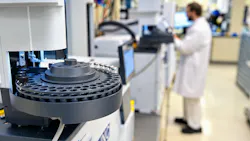
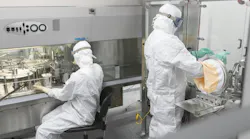
Evonik has manufactured its first batch of GMP-quality pharmaceutical lipids at its new Lipid Innovation Center (LINC) at the company’s Tippecanoe facility in Lafayette, Indiana. The facility will produce lipids used in drug delivery systems for advanced therapies, including cancer immunotherapies, gene therapies, and vaccines. Full production capacity is expected to come online by mid-2027.
The first product manufactured at the center is PhytoChol, a plant-derived cholesterol used as an excipient in lipid nanoparticles (LNPs). LNPs encapsulate and deliver nucleic acid-based medicines, including messenger RNA (mRNA) and gene therapies. The delivery technology was used in COVID-19 vaccines and is being developed for additional therapeutic applications.
According to Evonik, LINC is designed to accommodate multiple lipid chemistries, manufacturing processes and products. The company said the facility will strengthen U.S.-based production of pharmaceutical lipids and support domestic supply of materials used in advanced drug delivery systems. Research associated with the project received support from the Biomedical Advanced Research and Development Authority (BARDA).
The Indiana facility is part of Evonik’s global network for lipid and LNP development and manufacturing. The network includes formulation development and clinical manufacturing capabilities at its Vancouver, Canada site, late-stage clinical and commercial manufacturing in Birmingham, Alabama, and lipid and adjuvant production in Dossenheim and Hanau, Germany. A research and development center in the Boston area also supports the network.
The investment builds on Evonik’s broader North American manufacturing expansion. In August, the company announced plans to invest approximately $108 million in a new GMP facility in Vancouver to expand production capacity for advanced pharmaceutical products and bring additional quality control and microbiological testing capabilities in-house. Evonik also is investing approximately $100 million to modernize its Tippecanoe manufacturing operations over five years, including upgrades to reactors and other production systems.
The company said the combined investments are intended to expand its capabilities across the pharmaceutical product lifecycle, from lipid development and formulation through clinical and commercial manufacturing.