Cytiva-backed Chime Biologics expansion adds GMP manufacturing capacity
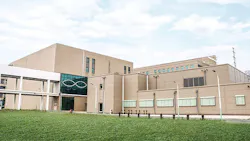
Chime Biologics, a biologics contract development and manufacturing organization (CDMO) headquartered in Wuhan, China, has opened its GMP-2 manufacturing facility, expanding biologics production capacity to support late-stage and commercial manufacturing programs. The new site is equipped with eight 2,000-liter single-use Xcellerex bioreactors supplied by Cytiva and is designed to provide flexible manufacturing capacity for global biologics customers.
According to the announcement, the facility builds on a decade-long collaboration between Chime Biologics and Cytiva that began with deployment of Cytiva’s KUBio modular manufacturing platform in 2016. The company said the phased expansion strategy has supported growth from early-stage development through commercial biologics manufacturing while maintaining operational flexibility and consistent quality standards.
Jimmy Wei, board director and CEO of Chime Biologics, said in a statement that the company views next-generation biologics manufacturing as requiring “flexible capacity, intelligent operations, and accelerated scalability” to support increasingly complex commercial pipelines.
The company also unveiled plans for an AI-powered megafactory expected to include more than 100 2,000-liter bioreactors, which Chime said would become the largest biologics manufacturing campus in China. Overseas programs currently represent about 50% of the company’s order value, with the company expecting international revenue contribution to grow to approximately 70% over the next five years.
The expansion follows other recent developments involving Cytiva’s biologics and advanced therapy manufacturing technologies. In May 2026, Cytiva received an FDA Advanced Manufacturing Technology designation for its ELEVECTA transient cell line platform used in adeno-associated virus manufacturing. The company said the platform was designed to reduce encapsidated host cell DNA and improve process consistency in gene therapy manufacturing workflows.