UMass Chan, Caring Cross, Trenchant BioSystems form manufacturing alliance
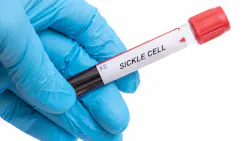
UMass Chan Medical School, Caring Cross, and Trenchant BioSystems announced a collaborative research alliance to develop a commercially viable hematopoietic stem cell manufacturing platform for diseases, including sickle cell disease and beta-thalassemia.
According to the organizations, the collaboration will combine Trenchant BioSystems’ AutoCell automated manufacturing platform with UMass Chan’s expertise in blood stem cell processes, as well as Caring Cross’ focus on expanding access to advanced therapies. The platform is designed to support scalable, place-of-care manufacturing in an ISO Class 7 environment.
The Trenchant BioSystem platform uses a microbubble separation process instead of immunomagnetic bead-based separation for stem cell gene therapies. The platform’s smaller footprint and reduced facility requirements are intended to lower manufacturing costs and simplify deployment, according to the company.
In the first phase of the project, researchers will evaluate blood products for stem cell separation and develop an automated gene-transfer process using lentiviral vectors from Caring Cross. Following validation, Caring Cross will assess the platform’s cost and operational simplicity for potential use by global collaborators.
The alliance plans to hold an INTERACT meeting with the U.S. Food and Drug Administration in the first quarter of 2027 and begin a Phase I/II clinical trial in the second half of 2027 for autologous gene-modified stem cell therapies targeting sickle cell disease and beta-thalassemia.
Last month, Trenchant BioSystems formed a strategic alliance with Invetech, a product development and manufacturing company based in San Diego, to develop a fully automated CGT manufacturing platform. According to the announcement, the alliance will focus on advancing Trenchant’s AutoCell platform from a semi-automated prototype to a fully automated commercial system.
Invetech is expected to provide engineering support and manufacturing capabilities, while Trenchant will lead scientific development.