Lifecore Biomedical benefits from pharma onshoring, secures tech transfers
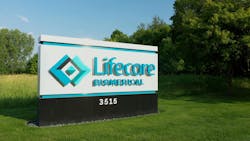
Minnesota-based contract development and manufacturing organization Lifecore Biomedical is taking advantage of the geopolitical and trade tensions over the past year, positioning itself as a pure-play U.S. CDMO specializing in sterile injectables.
CEO Paul Josephs told Pharma Manufacturing last month during the J.P. Morgan Healthcare Conference in San Francisco that there is clearly momentum in U.S. manufacturing.
“I used to think of site transfers as more tactical but now I think of it as more strategic,” Josephs said. “We’ve benefitted in large part either because of the regionalization of manufacturing or some compliance related activity with some of our competitors. We see that trend continuing.”
In December 2025, Lifecore announced a significant new customer win for its injectable business, signing a Masters Services Agreement with a large multinational pharmaceutical company. It was the second agreement that Lifecore signed in the previous three months with a global pharmaceutical company.
Based on the current commercial revenues for this latest program, the new partner has the potential to become one of Lifecore’s top five commercial customers. Lifecore will execute a development services and tech transfer for an injectable pharmaceutical product with the intent to transfer commercial supply from facilities overseas to Lifecore’s Minnesota site.
In a recent note to investors, William Blair analyst Max Smock wrote that “the push toward manufacturing regionalization fueled by the threat of U.S. pharmaceutical-specific tariffs and drug pricing negotiations has been a significant tailwind for U.S. CDMOs like Lifecore, evidenced by what the company characterized as an unprecedented uptick in commercial site transfer opportunities from other regions.”
Looking ahead, Josephs sees the potential for future site transfers for late-stage development programs coming to Lifecore from Asia-Pacific, Europe, India, and Israel. He said a few years ago the CDMO lost a customer opportunity when two programs were awarded to a competitor in Europe. However, Lifecore is now close to bringing those programs back to the U.S., according to Josephs.
“It’s somewhat driven by the onshoring and tariffs,” CFO Ryan Lake told Pharma Manufacturing. “People want to make sure they bolster their supply chain initiatives and ensure continuity of supply.”
In calendar year 2025, Lake noted that Lifecore signed nine new deals with customers, including an agreement in August with a late-stage product with a developer of GLP-1 therapeutics for obesity. In 2027, he said Lifecore has “some exciting launches” with its largest customer contractual commitments expected to more than double aseptic fill-finish demand.
GLP-1 windfall in the offing?
According to Green Mage Capital, there are not many independent U.S.-based CDMOs with available capacity for complex injectables, with Lifecore positioned as one of the few options “for a mid-sized biotech or even a large pharma company” looking to move their supply chain away from China or India.
When it comes to GLP-1s, Green Mage Capital argues that the weight-loss drug craze has absorbed fill-finish capacity globally — a market trend that ultimately benefits Lifecore.
“Even if Lifecore doesn’t win a contract with Eli Lilly or Novo Nordisk directly, the displacement effect pushes other drugs toward smaller providers,” wrote Green Mage Capital in a Seeking Alpha article last month. “They have already noted that they are in talks with GLP-1 developers. The spillover demand should tighten the market enough to give them some pricing power.”
On the GLP-1 front, Josephs described Lifecore as a “secondary” but not primary supplier. Asked if the CDMO could secure business from a Big Pharma company like Eli Lilly or Novo Nordisk, he wouldn’t rule it out. At the same time, Josephs said with Lifecore’s current capacity of 45 million units “that type of volume doesn’t play into what we do.”
In a letter to investors last month, Laughing Water Capital noted that when Lifecore announced its late-stage GLP-1 product win in August 2025, the CDMO indicated it “could/should be commercialized” by 2029 to 2030.
“This product could also conceivably be a top 5 customer,” wrote Laughing Water Capital, noting that recent customer wins “should allow Lifecore to blow their previous ‘new business’ estimates out of the water, even before considering that they have several other additional wins under their belt … industry conditions are experiencing what are likely a once in a lifetime lollapalooza effect.”
About the Author
Greg Slabodkin
Editor in Chief
As Editor in Chief, Greg oversees all aspects of planning, managing, and producing the content for Pharma Manufacturing’s website and digital products, as well as the daily operations of its editorial team.
For more than 20 years, Greg has covered the healthcare, life sciences, and medical device industries for several trade publications. He is the recipient of a Post-Newsweek Business Information Editorial Excellence Award for his news reporting and a Gold Award for Best Case Study from the American Society of Healthcare Publication Editors. In addition, Greg is a Healthcare Fellow from the Society for Advancing Business Editing and Writing.
When not covering the pharma manufacturing industry, he is an avid Buffalo Bills football and Buffalo Sabres hockey fan, likes to kayak, and plays guitar.