Altruist gains regulatory approval for segmented ADC production in China
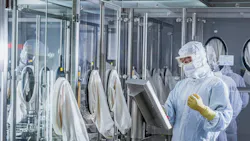
Altruist Biologics, a contract development and manufacturing organization (CDMO) and subsidiary of Innovent Biologics, has received approval from three provincial regulatory authorities in China for segmented production of antibody-drug conjugates (ADCs) at its Hangzhou manufacturing site.
According to the company, the approval followed a joint inspection evaluating the facility’s quality management system, risk assessment procedures, and compliance with regulatory requirements for ADC manufacturing. Altruist said it is the first ADC manufacturing facility in China to receive segmented production approval through a coordinated review by three provincial regulatory agencies.
The Hangzhou site includes a dedicated ADC and antibody-drug conjugate (AXC) bioconjugation facility supporting clinical and commercial manufacturing. The site houses laboratories for process development, quality control and manufacturing science and technology (MSAT).
Current manufacturing capabilities include single-use reactor systems supporting conjugation at scales up to 500 liters, with additional 1,000-liter and 5,000-liter capacity under construction. The facility also includes an automated aseptic filling system and lyophilization equipment designed for drug product manufacturing.
The site is equipped to manufacture high-potency ADCs and incorporates containment systems designed for handling highly potent active pharmaceutical ingredients (HPAPIs). According to the announcement, Altruist has supported more than 40 ADC and AXC development programs ranging from pre-investigational new drug (IND) studies through Phase 3 development and process performance qualification (PPQ).
The approval follows another recent regulatory milestone for Altruist Biologics. In April, the company received China’s first GMP manufacturing license for a biologics facility operating at the 20,000-liter scale at its Hangzhou site. The facility began partial operations in 2024 with four 20,000-liter stainless steel bioreactors and is expected to reach a total manufacturing capacity of 172,000 liters upon completion.