Fujifilm completes construction of large-scale bio CDMO facility in Japan
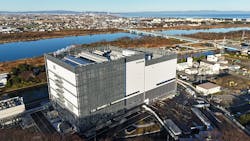
Fujifilm Corp. said it has completed construction of one of Japan’s largest bio contract development and manufacturing organization facilities at its Toyama Second Factory in Toyama Prefecture, marking the company’s first antibody drug manufacturing plant in Japan.
The facility, operated by Fujifilm Toyama Chemical, is scheduled to begin operations in 2027 and will serve as the company’s bio CDMO hub in Asia, according to the company. The plant is equipped with two 5,000-L and two 2,000-L single-use mammalian cell culture bioreactors and is designed to support manufacturing of antibody drugs and antibody-drug conjugates.
Fujifilm said the site adopts its KojoX modular facility design, which standardizes equipment and quality systems with Fujifilm Biotechnologies’ U.K. operations to reduce construction timelines and support faster technology transfer.
The new plant will be paired with an adjacent facility currently under construction for mRNA therapeutics and vaccines, enabling end-to-end manufacturing from drug substance through finished goods and packaging, the company said.
According to the announcement, both facilities were selected by Japan’s Ministry of Economy, Trade, and Industry under a national program aimed at strengthening domestic biopharmaceutical and vaccine manufacturing capacity.
Fujifilm said the Japan-based site is intended to address challenges associated with overseas outsourcing, including technology transfer timelines and supply chain resilience, while meeting global quality standards.
The Toyama facility builds on Fujifilm’s global bio CDMO operations across Europe and the U.S. and expands the company’s manufacturing footprint in response to growing demand for biologics production in Asia, according to the announcement.