FDA announces one-day inspection pilot for low-risk facilities
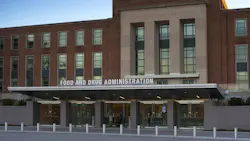
The U.S. Food and Drug Administration (FDA) on Wednesday unveiled a one-day inspectional assessment pilot to complement the agency’s standard inspections. The pilot, which was launched last month, is being conducted across multiple FDA inspectorates including biologics, clinical research programs, and medical products.
The agency has so far evaluated 46 facilities using one-day inspections as part of a broader initiative to make its inspectional resources more targeted and efficient, according to the announcement. The FDA said that the pilot will continue through fiscal year 2026, which ends on September 30, with additional one-day inspections planned.
Most of the pilot’s one-day inspectional assessments confirmed compliance, resulting in No Action Indicated (NAI) outcomes, according to the FDA. However, the agency noted that the pilot “has also demonstrated flexibility, with some assessments extending beyond one day when significant observations were identified.”
Low-risk facilities are being selected for the pilot using criteria including product type, prior inspection outcomes, and operational characteristics, while data gathered through the one-day inspections — such as recurring compliance themes, facility-specific risk scores, and discrepancies between registered and actual operations — could impact future oversight activities.
“For the FDA, the ability to conduct shorter, targeted assessments allows for broader surveillance coverage, enabling the agency to assess more facilities and gather critical insights without compromising regulatory rigor,” FDA Commissioner Marty Makary said in a statement. “For industry, these assessments can provide timely feedback while minimizing operational disruption, particularly for lower-risk establishments.”
Less exploratory, more confirmatory approach
Regulatory consultation services firm Lachman Consultants in a blog post described the FDA’s pilot as a “more mature” form of risk-based regulation that distinguishes between low- and high-risk facilities.
The FDA “appears to be moving toward an oversight structure where inspection intensity is increasingly calibrated to operational performance, compliance history, product risk, and broader data signals available to the agency,” the firm wrote, while noting that a “critical piece of the model is increased use of remote review activities before investigators arrive onsite” which allows them to “evaluate documentation, data, and records ahead of time.”
In this scenario, Lachman Consultants said the onsite portion of the agency’s inspection of a facility is “more focused on verification: confirming that systems operate as described, assessing management oversight, evaluating data integrity, and determining whether the organization demonstrates real operational control under questioning.”
AI and data analytics
Makary on Wednesday told the annual Food and Drug Law Institute conference that the agency is leveraging artificial intelligence to identify facilities for the one-day inspections at both domestic and overseas sites. In its announcement, the FDA also said it is developing evaluation metrics to assess the pilot’s effectiveness, including inspection duration, escalation rates, and the utility of findings for informing risk-based decisions.
Elizabeth Miller, FDA Associate Commissioner for Inspections and Investigations, in a statement said the agency is closely analyzing the operational and compliance data from its one-day inspectional assessments — including outcomes, risk signals, and investigator feedback — to determine how the approach might enhance the FDA’s broader inspection strategy.
At the same time, the FDA emphasized that one-day inspectional assessments are not meant to replace standard agency inspections but to complement the current approach.
“Investigators retain authority to expand the scope or duration of an assessment if warranted,” the agency said. “The pilot does not represent a change in enforcement policy and does not apply to higher-risk or more complex facilities that require more comprehensive inspectional coverage.”
About the Author
Greg Slabodkin
Editor in Chief
As Editor in Chief, Greg oversees all aspects of planning, managing, and producing the content for Pharma Manufacturing’s website and digital products, as well as the daily operations of its editorial team.
For more than 20 years, Greg has covered the healthcare, life sciences, and medical device industries for several trade publications. He is the recipient of a Post-Newsweek Business Information Editorial Excellence Award for his news reporting and a Gold Award for Best Case Study from the American Society of Healthcare Publication Editors. In addition, Greg is a Healthcare Fellow from the Society for Advancing Business Editing and Writing.
When not covering the pharma manufacturing industry, he is an avid Buffalo Bills football and Buffalo Sabres hockey fan, likes to kayak, and plays guitar.